
When it comes to AI and copyright, there are roughly two perspectives.
A: ETHICS OF EXPLOITATION
The AI model may have been (partially) trained using copyrighted material from creators, and you are using the output from that model.
B: AI-COPYRIGHT PARADOX
You had your design visualized by AI and want to claim copyright on that design.
The ethics of exploitation in AI revolves around whether it is morally responsible to use AI models that may have been trained with material (such as art, photos, texts, or designs) without the permission or compensation of the original creators. Many AI models learn from large datasets that may (partially) consist of copyrighted material. While this may be legally permissible depending on the applicable legal framework, it raises ethical questions about the use of others' creative work.
Key points:
Example: Suppose you use an AI model to generate an image of your designed watches in a maritime environment. If that model was (partially) trained with images from other designers or photographers without their explicit permission, you are using a system where third-party rights may be involved. This raises ethical questions: Is it fair to benefit from this? Are you contributing to a system that harms creatives?
What can you do?
The ethics of exploitation is not just about what is legally allowed but also about the moral choices you make as a user. Do you want to be part of a system that may harm creatives, or are you looking for alternatives that respect their contributions?
Suppose: I designed a watch and placed it on my website. Then, I use AI to create an image placing this watch in a maritime environment. The image is entirely AI-generated but depicts my existing design. If someone else downloads this AI image and starts replicating and selling the watch, can I claim copyright?
1. Copyright on the original watch design
2. Copyright on the AI-generated image
3. Can someone else replicate your watch based on the AI image?
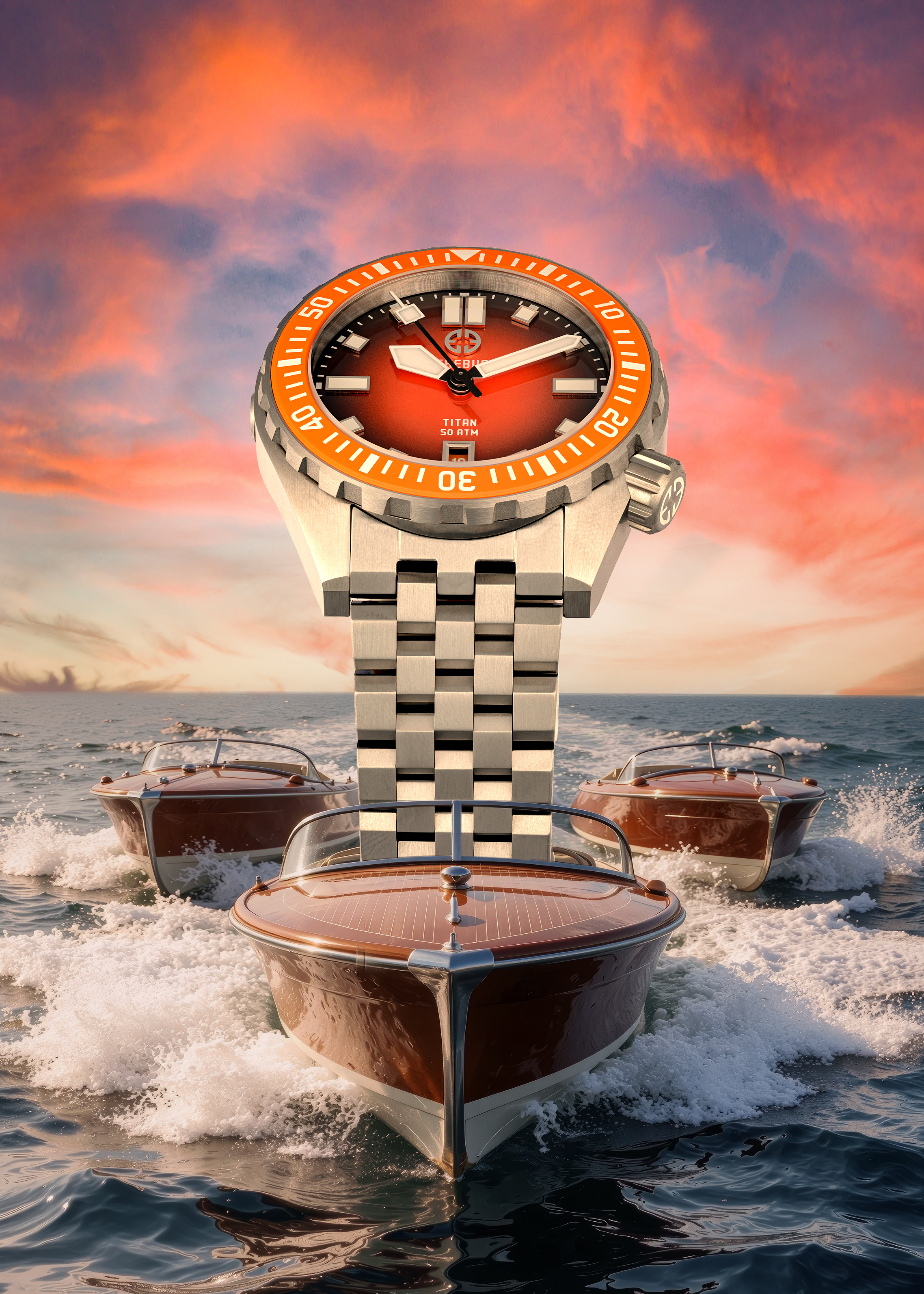
The photo below shows a watch and boats.
The boats were generated using the Flux 2 Pro AI model. Flux presents itself as commercially safe trained, which may reduce legal risks, but full certainty depends on transparency and future case law.
B-AI COPYRIGHT PARADOX
Since I took the studio photo of the watch myself, it is protected by copyright. Using AI-generated elements from the composition separately generally does not give me a copyright claim.
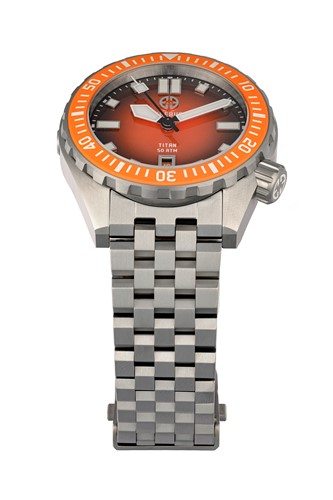
Original studio photo as proof
The same applies when a studio photo is edited with AI features in Photoshop (such as 'Harmonize') which means ai completely re-generated this image. As long as the original work is demonstrably yours, copyright may still apply.
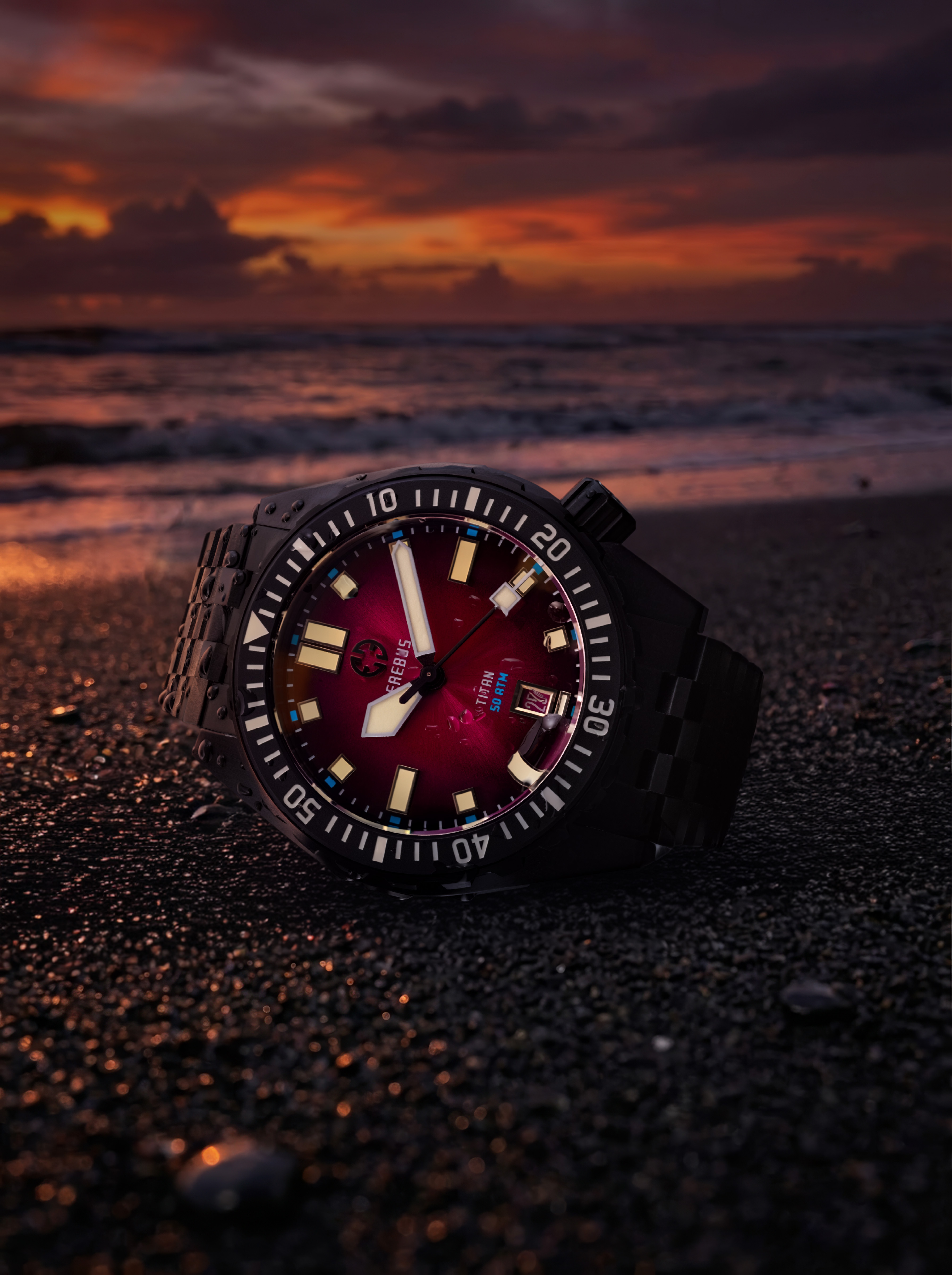
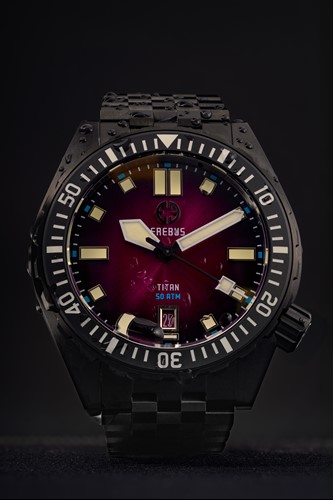
Original studio photo as proof
© [Year] [Name/Company Name] – All rights reserved.
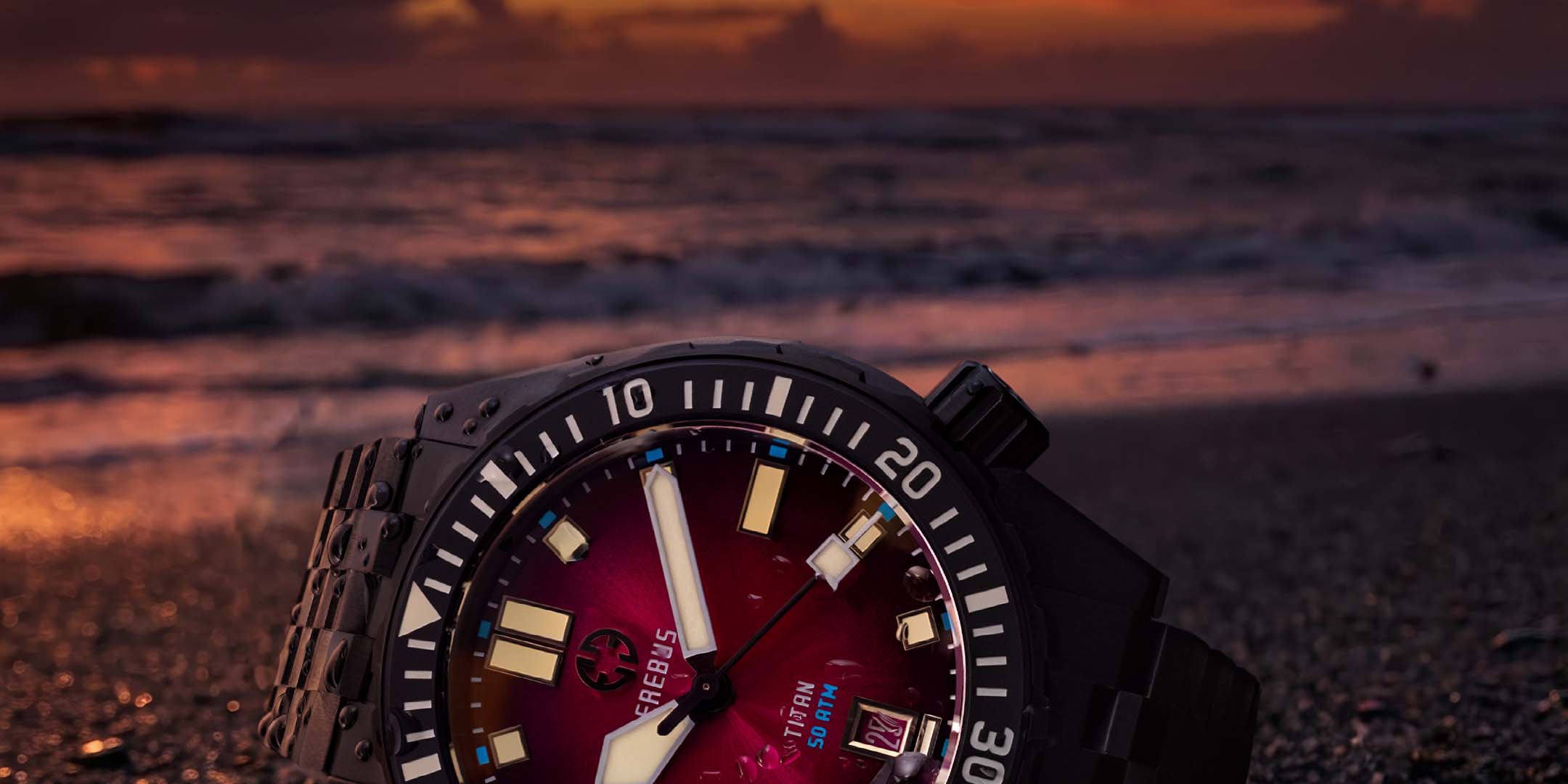
The images shown were (partially) created using AI. This does not detract from the copyright on the depicted product design.
This text was written by me after extensive research. It has not been reviewed by a lawyer but has been checked back and forth by five different AI models until all confirmed the text as 100% legally correct. The text is for informational purposes only and does not constitute legal advice. Legislation and case law regarding AI and copyright are evolving. For specific applications, legal advice is recommended.
______________________________________
Als het gaat om AI en auteursrecht dan zijn er grofweg twee invalshoeken.
A: ETHIEK VAN EXPLOITATIE
Het AI-model kan (gedeeltelijk) zijn getraind met auteursrechtelijk beschermd materiaal van makers en jij maakt gebruik van de output daarvan.
B: AI-AUTEURSRECHT PARADOX
Jij hebt jouw ontwerp door AI laten visualiseren en wilt auteursrecht claimen op dat ontwerp.
Bij de ethiek van exploitatie in AI gaat het om de vraag of het moreel verantwoord is om AI-modellen te gebruiken die mogelijk zijn getraind met materiaal (zoals kunst, foto’s, teksten of ontwerpen) zonder toestemming of compensatie van de oorspronkelijke makers. Veel AI-modellen leren van grote datasets die (deels) kunnen bestaan uit auteursrechtelijk beschermd materiaal. Of dit juridisch is toegestaan hangt af van het toepasselijke wettelijke kader, maar het roept in ieder geval ethische vragen op over het gebruik van creatieve arbeid van anderen.
Belangrijke punten:
Voorbeeld: Stel, je gebruikt een AI-model om een afbeelding te genereren van door jou ontworpen horloges in een maritieme omgeving. Als dat model (deels) is getraind met afbeeldingen van andere ontwerpers of fotografen zonder hun expliciete toestemming, dan maak je gebruik van een systeem waarbij mogelijk rechten van derden zijn betrokken. Dit roept ethische vragen op: Is het eerlijk om hiervan te profiteren? Draag je bij aan een systeem dat creatieven benadeelt?
Wat kun je doen?
De ethiek van exploitatie gaat niet alleen over wat juridisch mag, maar ook over de morele keuzes die je maakt als gebruiker. Wil je deel uitmaken van een systeem dat mogelijk creatieven benadeelt, of zoek je naar alternatieven die recht doen aan hun bijdrage?
Stel: ik heb een horloge ontworpen en op mijn website geplaatst. Vervolgens maak ik met AI een afbeelding waarin dit horloge in een maritieme omgeving wordt geplaatst. De afbeelding is geheel met AI gegenereerd, maar verbeeldt mijn bestaande ontwerp. Als iemand anders deze AI-afbeelding downloadt en het horloge gaat namaken en op de markt brengt, kan ik dan auteursrecht claimen?
1. Auteursrecht op het originele ontwerp van het horloge
2. Auteursrecht op de AI-gegenereerde afbeelding
3. Kan iemand anders jouw horloge namaken op basis van de AI-afbeelding?
Op de onderstaande foto zie je een horloge en boten.
De boten zijn gegenereerd met het AI-model Flux 2 Pro. Flux presenteert zich als commercieel veilig getraind. Dit kan het juridische risico verkleinen, maar volledige zekerheid hangt af van transparantie en toekomstige rechtspraak.
B-AI AUTEURSRECHT PARADOX
Omdat de studiofoto van het horloge door mijzelf is gemaakt, rust hier auteursrecht op. Het los gebruiken van AI-gegenereerde elementen uit de compositie levert doorgaans geen auteursrechtclaim van mijn kant op.
Oorspronkelijke studio foto als bewijs
Hetzelfde geldt wanneer een studiofoto met AI-functies in Photoshop (zoals ‘Harmonize’) is bewerkt wat betekend dat in tegenstelling tot het vorige oranje voorbeeld de gehele foto door ai is gegenereerd. Zolang het oorspronkelijke werk aantoonbaar van jou is, blijft auteursrecht mogelijk.
Oorspronkelijke studiofoto als bewijs
© [Jaartal] [Naam/Bedrijfsnaam] – Alle rechten voorbehouden.
De getoonde afbeeldingen zijn (mede) tot stand gekomen met behulp van AI. Dit doet geen afbreuk aan de auteursrechten op het afgebeelde productontwerp.
Deze tekst is door mij zelf geschreven na uitvoerig onderzoek. Het is niet door een jurist getoetst maar wel heen en weer door vijf verschillende ai modellen gegaan totdat zij allemaal de tekst als 100% juridisch correct hadden bevestigd. De tekst is informatief bedoeld en vormt geen juridisch advies. Wetgeving en rechtspraak rondom AI en auteursrecht zijn in ontwikkeling. Voor specifieke toepassingen wordt juridisch advies aanbevolen.
 Klik hier voor Nederlands