
February 2026
In the 2026 fashion world, the question is no longer whether you use AI, but how you deploy it to break through psychological barriers in the consumer. Until recently, maintaining product and character consistency in AI-generated images was technically complex. With the arrival of Gemini 3 (Nano Banana Pro) and the German Flux 2 Pro, that barrier has definitively disappeared.
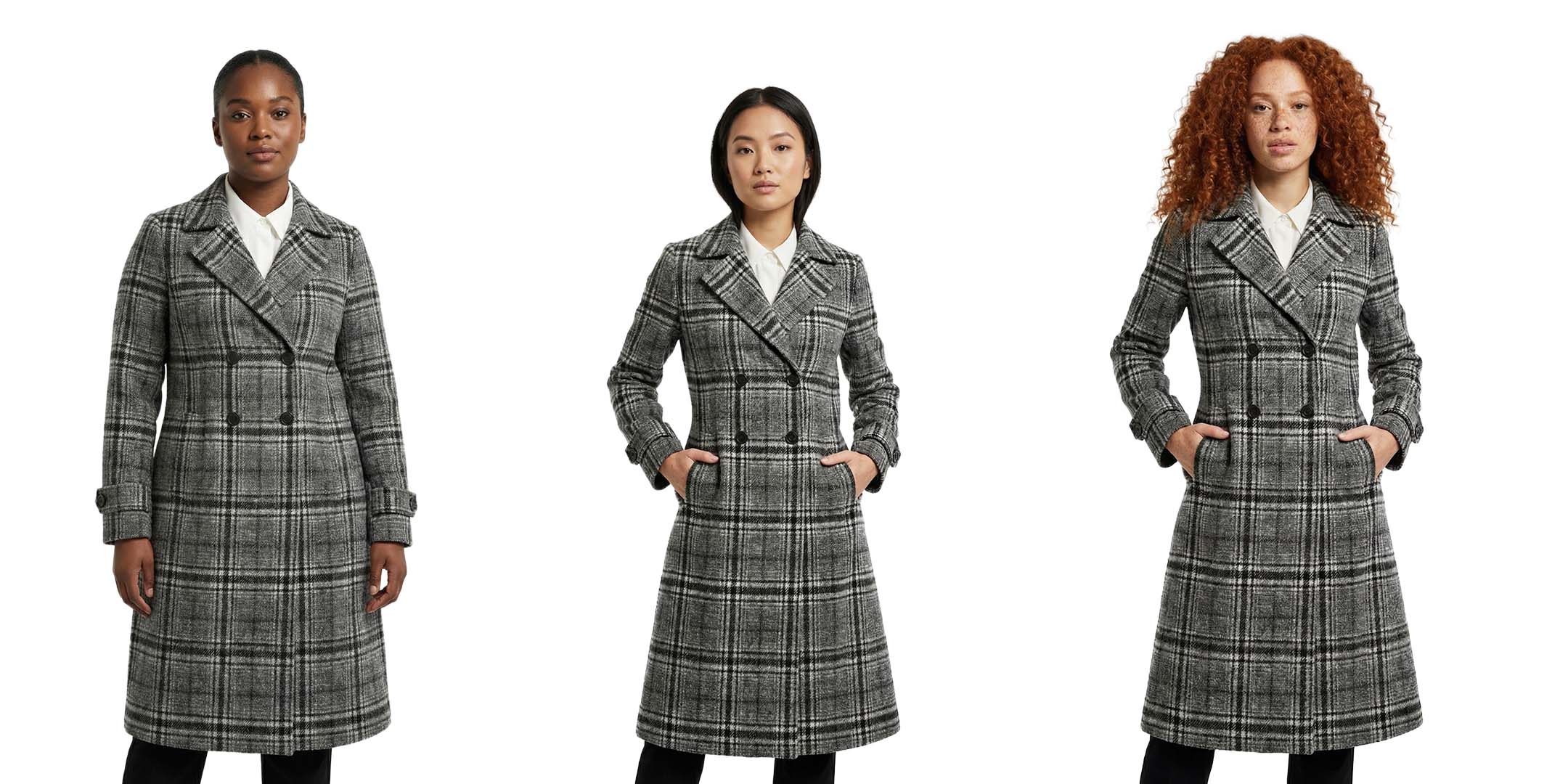
Among other things, these tools make it possible to show a single garment consistently on different models. This completely turns the landscape of fashion and product photography on its head.
Many fashion entrepreneurs are currently focused on the cost side: no more expensive studios, models, travel, or makeup. While those savings are real, the real win lies elsewhere.
The core value of 'New Photography' is identification. Research shows that consumers make a purchase faster when they recognise themselves in the model. Ethnicity, body type, age, and even the geographic setting of the photo play a crucial role. Where 'Old Photography' assumed one universal campaign photo for everyone, the new approach revolves around hyper-personalisation.
Recent analyses of high-performing e-commerce platforms (such as Shopify and WooCommerce stores in 2026) reveal the following facts:
"The new way of photographing is no longer about capturing that one perfect shot, but about generating a visual ecosystem around your product."
In addition to personalisation, there are other AI-driven factors that directly influence sales:
The shift from static to dynamic fashion photography has begun. As a fashion entrepreneur, now is the time to make the transition from photography as a cost item to photography as a conversion engine.
Sources:
At Designersupport.nl, we are on top of these developments; we currently offer the most industry-specific AI course to use AI optimally in the design process and the new approach to fashion photography discussed above.
______________________________________________
February 2026
In de modewereld van 2026 is de vraag niet óf je AI gebruikt, maar hóé je het inzet om psychologische barrières bij de consument te doorbreken. Tot voor kort was het technisch complex om product- en karakterconsistentie te behouden in AI-gegenereerde beelden. Met de komst van Gemini 3 (Nano Banana Pro) en het Duitse Flux 2 Pro is die barrière definitief verdwenen.
Onder andere deze tools maken het mogelijk om één kledingstuk consistent te tonen op verschillende modellen. Dit zet het landschap van mode- en productfotografie volledig op zijn kop.
Veel mode-ondernemers focussen zich momenteel op de kostenkant: geen dure studio’s, modellen, reizen of visagie meer. Hoewel die besparing aanwezig is, ligt de echte winst ergens anders.
De kernwaarde van de 'Nieuwe Fotografie' is identificatie. Onderzoek wijst uit dat consumenten sneller tot aankoop overgaan wanneer zij zichzelf herkennen in het model. Etniciteit, lichaamsbouw, leeftijd, en zelfs de geografische setting van de foto spelen een cruciale rol. Waar de 'Oude Fotografie' uitging van één universele campagnefoto voor iedereen, draait de nieuwe aanpak om hyper-personalisatie.
Uit recente analyses van goed presterende e-commerce platformen (zoals Shopify en WooCommerce winkels in 2026) blijken de volgende feiten:
"Het nieuwe fotograferen is niet meer het maken van die ene perfecte shot, maar het genereren van een visueel ecosysteem rondom je product."
Naast personalisatie zijn er andere AI-gestuurde factoren die de verkoop direct beïnvloeden:
De verschuiving van statische naar dynamische modefotografie is ingezet. Als mode-ondernemer is het nu tijd om de overstap te maken van fotografie als kostenpost naar fotografie als conversiemotor.
Bronnen:
Bij Designersupport.nl zitten wij bovenop deze ontwikkelingen; wij bieden momenteel de meest vakgerichte AI-cursus om ai optimaal in te zetten in het ontwerp proces én de hierboven besproken nieuwe manier van modefotografie.
 Klik hier voor Nederlands